Profiles and seals made of rubber
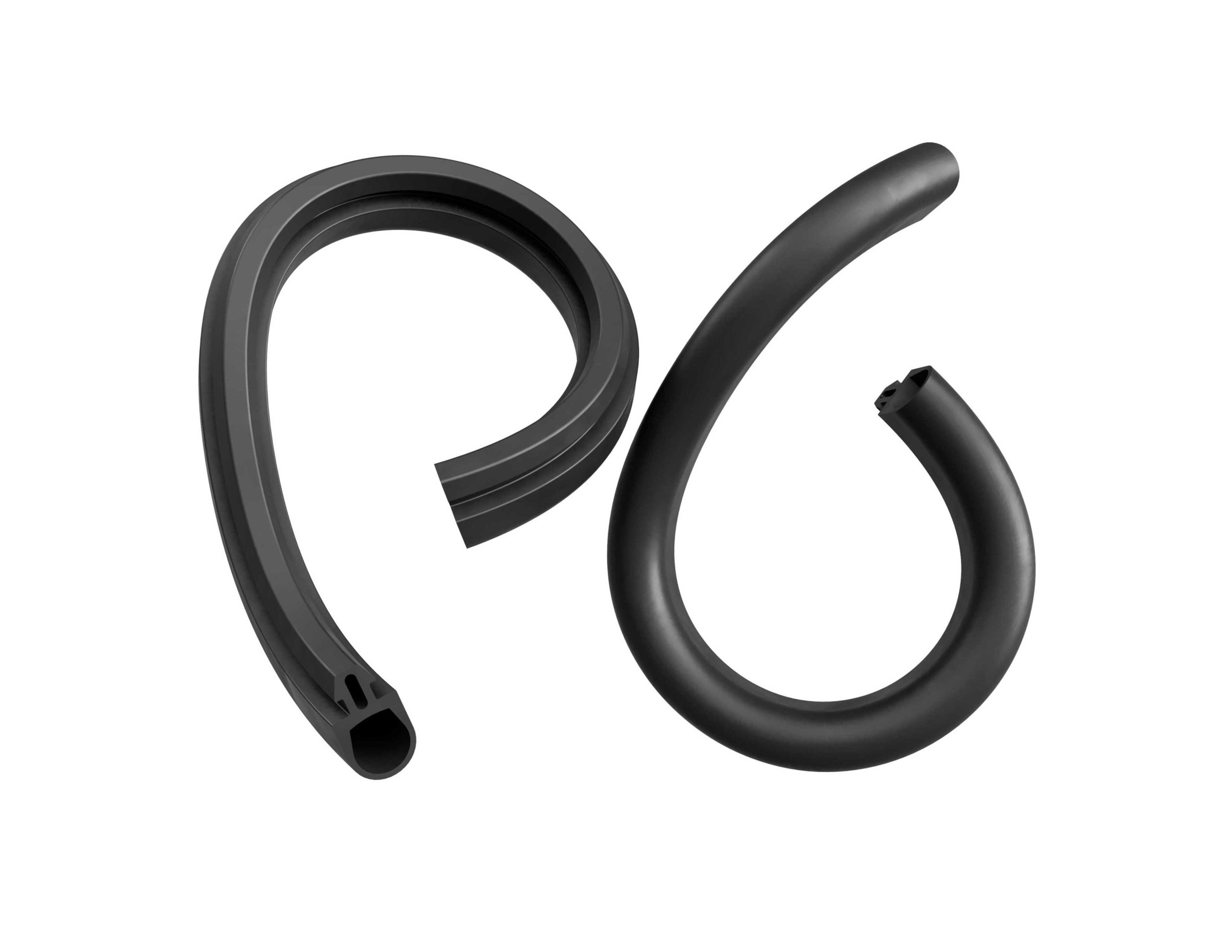
Rubber profiles and seals are manufactured by extrusion and are intended for sealing, protection and guidance applications in various systems and assemblies.
General features
Effective sealing and dimensional stability
Controlled flexibility for installation and operation
Resistance to temperature, humidity and environmental agents
Option to customize the cross-section and hardness
Easy integration into assemblies
The products are developed to ensure precise fit to a wide range of surfaces and geometries, as well as stable performance in demanding environmental conditions. The geometry and material composition are optimized according to the application requirements and installation conditions. The solutions are used in both industrial and automotive applications.
Our partners
- Applications
Industries served
Automotive and commercial vehicles
- Engine cooling systems and auxiliary circuits for continuous operation
- Air intake routing in engine bays with limited space
- Elastic elements for vibration reduction in chassis-mounted assemblies
Motorcycles and scooters
- Air intake routing and engine ventilation in compact configurations
- Flexible connections for fuel or air, exposed to vibration
- Protection and damping elements for lightweight, moving components
Industrial equipment (HVAC, pumps, generators)
- Sealing of pumps, valves, and technical housings
- Air and technical fluid transfer in HVAC systems and generators
- Compensation of vibrations and tolerances in industrial assemblies
Agriculture
- Protection and sealing of systems exposed to dust, mud, and moisture
- Water and auxiliary fluid routing in agricultural machinery
- Elastic elements for shock absorption in mobile equipment
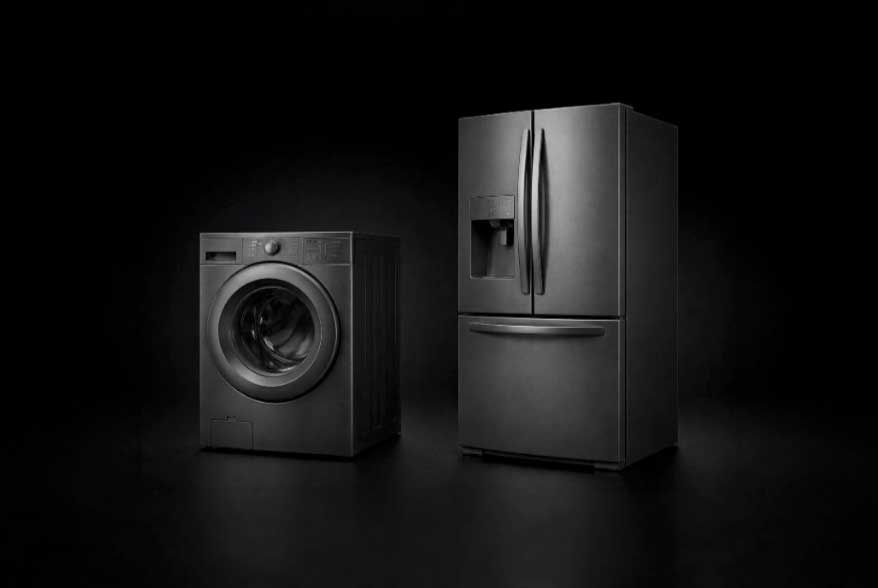
Residential and industrial appliances
- Sealing water circuits in washing machines and dryers
- Damping vibrations generated by motors and pumps
- Flexible connections for fluid transfer in continuous-use equipment
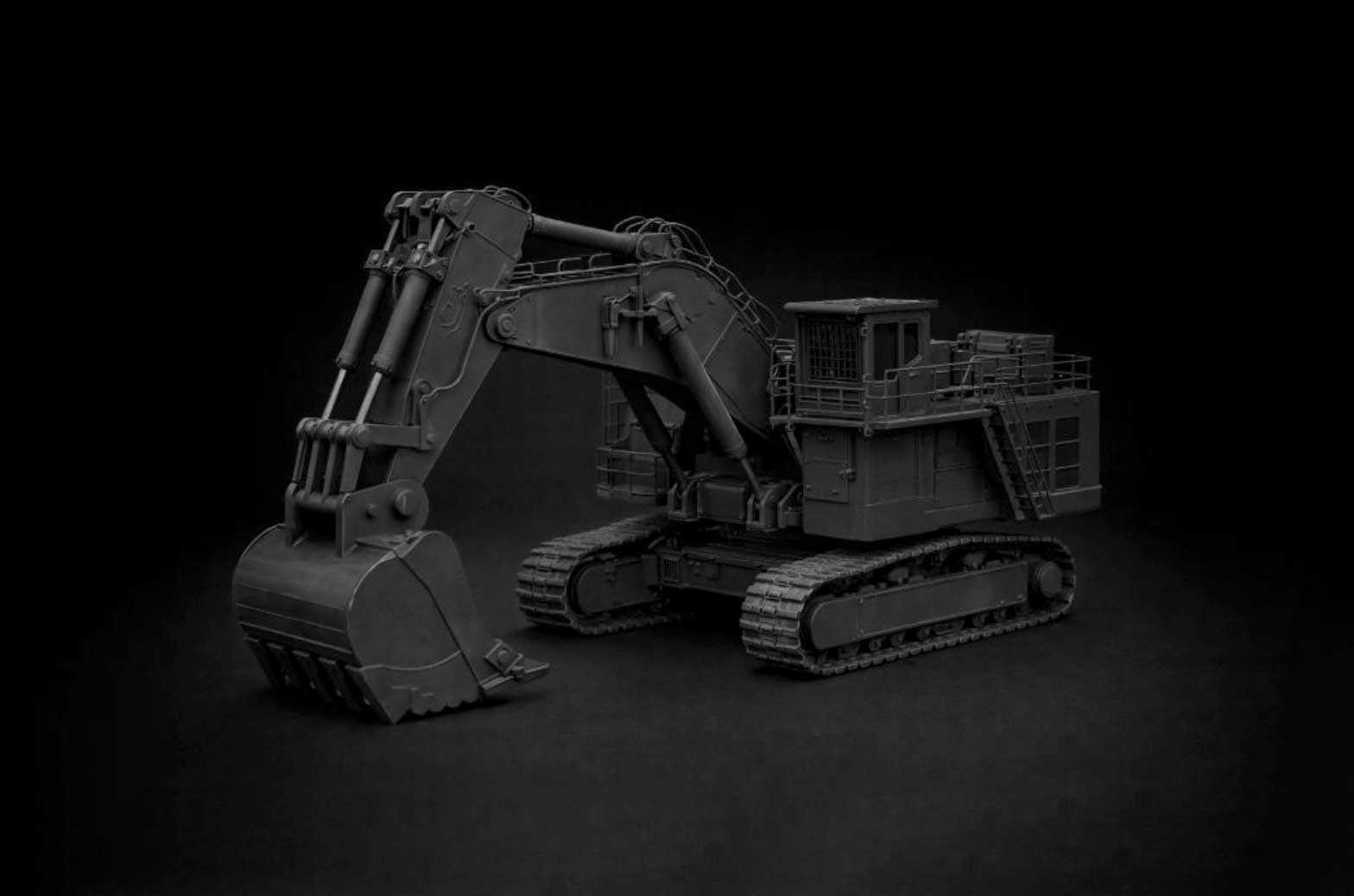
Heavy-duty
- Cooling and ventilation systems for construction and mining equipment
- Protection of joints and mechanisms exposed to heavy wear
- Elastic elements for reducing mechanical loads under severe operating conditions
Profile types
[1]
Clip-on profile
This profile is designed for quick and secure fastening by pressing onto the edge of various supports (metal, plastic), eliminating the need for adhesives. Thanks to its shape, it ensures a firm grip and effective sealing, and is frequently used for edge protection or enclosure sealing.
[2]
Open profile
Characterized by its flexible open structure, this profile is ideal for applications where easy installation over existing flanges or edges is required. It provides a protective barrier against dust and external factors, adapting well to complex geometries.
[3]
Expansion profile
Designed to accommodate dimensional variations and structural movements, this profile acts as a compensating element. It is essential in systems with thermal expansion cycles or vibrations, ensuring sealing is maintained without transmitting excessive mechanical loads to the main structure.
[4]
Solid profile
This is a compact profile with a solid cross-section, valued for its high mechanical strength and durability. It is used in demanding static applications, providing robust and reliable sealing capable of withstanding pressure and intense mechanical wear.
[5]
Snap-in profile
This profile is optimized for intuitive “snap-in” installation into specially designed channels or recesses. Its geometry enables precise and stable fastening, making it an excellent solution for effective sealing of doors, windows or access covers where quick and clean installation is required.
Materials used
NR / Isoprene — Natural rubber / polyisoprene
An elastomeric compound based on polyisoprene, known for high elasticity, very good resilience, and excellent behavior under dynamic loads. It is suitable for applications where flexibility, tear resistance, and rapid recovery after deformation are important. It has limited resistance to oils, fuels, ozone, and atmospheric aging unless protected with appropriate additives.
CR / Chloroprene — Chloroprene rubber
An elastomeric compound based on polychloroprene, with a good balance between mechanical strength and resistance to weathering, ozone, and flame. It is frequently used in technical applications where durability in outdoor environments and stable aging behavior are required. It has moderate resistance to oils and fuels, but better than natural rubber.
AEM / Ethylene Acrylate — Ethylene-acrylic rubber
An elastomeric compound based on ethylene-acrylate copolymer, developed for good resistance to temperature, oils, and automotive fluids. It is suitable for under-hood applications, hoses, gaskets, and elements exposed to heat and lubricants. It offers good flexibility and superior thermal stability compared to many conventional rubbers.
EPDM / Ethylene Propylene Diene Monomer — Ethylene-propylene-diene rubber
An elastomeric compound based on ethylene, propylene, and diene, with very good resistance to ozone, UV radiation, steam, water, and atmospheric aging. It is recommended for outdoor applications, seals, profiles, membranes, gaskets, and components exposed to the environment. It is not recommended for contact with mineral oils, fuels, or aromatic hydrocarbons.
NBR / Nitrile — Nitrile rubber
An elastomeric compound based on acrylonitrile-butadiene, valued for good resistance to oils, greases, fuels, and petroleum fluids. It is commonly used for gaskets, O-rings, seals, hoses, and sealing components. Oil performance increases with acrylonitrile content, but low-temperature flexibility may decrease.
HNBR / Hydrogenated Nitrile — Hydrogenated nitrile rubber
An elastomeric compound based on hydrogenated NBR, with superior resistance to temperature, oils, ozone, and aging compared to standard NBR. It is used in demanding applications, especially in the automotive, oil gas, and hydraulic industries. It offers a good combination of mechanical strength, thermal stability, and chemical resistance.
SBR / Styrene-butadiene — Styrene-butadiene rubber
An elastomeric compound based on styrene and butadiene, used for good abrasion resistance, stable wear behavior, and competitive cost. It is found in tires, rollers, technical mats, dampers, and general rubber applications. It has low resistance to oils, fuels, ozone, and weathering unless protected through appropriate formulation.
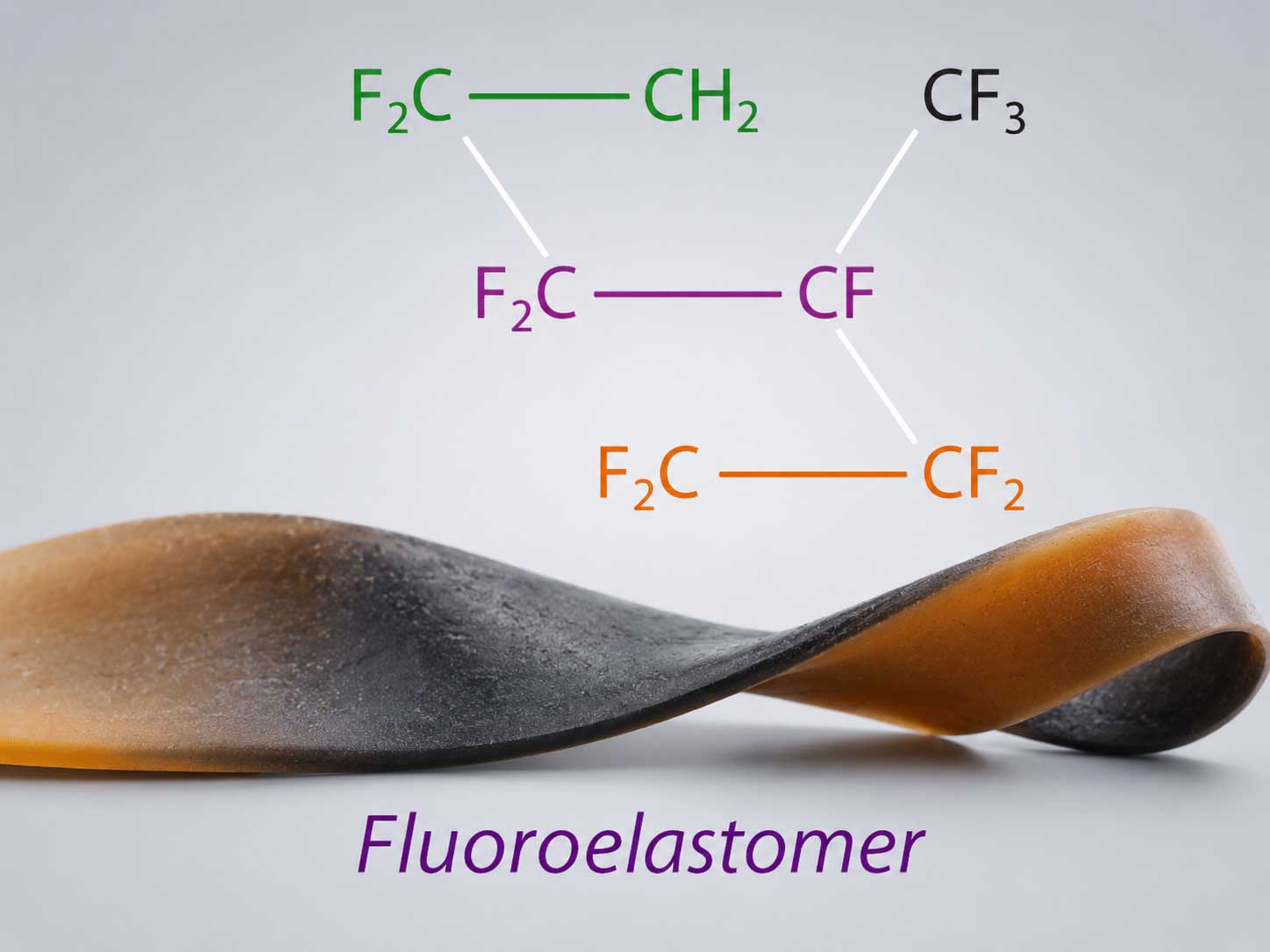
FKM / Fluoroelastomer — Fluorinated rubber
An elastomeric compound based on fluoroelastomer, designed for very high resistance to high temperatures, fuels, oils, solvents, and aggressive chemical agents. It is used in premium sealing applications where chemical and thermal stability is critical. It performs excellently in harsh environments, but low-temperature flexibility may be limited depending on the exact FKM type.
FVMQ / Fluorosilicone — Fluorosilicone rubber
An elastomeric compound based on fluorosilicone, combining silicone’s low-temperature flexibility with improved resistance to fuels and oils. It is used in aerospace, automotive, and sealing applications where large temperature variations and contact with petroleum fluids are present. It has lower mechanical strength than FKM or HNBR, but very good low-temperature performance.
- Product gallery
Extruded profiles and seals
Extruded rubber profiles and seals, used for sealing, protection and guidance in various assemblies, providing precise geometric fit, controlled flexibility and resistance to environmental conditions.
- Benefits and certifications
Product benefits certifications
The rubber components we develop and supply contribute to the reliable and durable operation of the systems in which they are integrated, through technical solutions tailored to the real requirements of the application. Our know-how in extrusion, compression, and injection processes enables design and material optimization, ensuring consistent performance and compatibility with operating conditions.
From an economic perspective, the feasibility-driven approach and process control support a balanced ratio between cost, quality, and product service life. Integrating in-house production with validated partner solutions enables flexibility in volume and delivery, reduces supply risks, and optimizes total costs across the entire product life cycle.
Our partners
- Contact
Custom solutions for your project
Do you need custom parts for your project?
Contact us for technical consulting and a dedicated quote.
0
k+
4.9 out of 5
☆☆☆☆☆ Rated 4.5 out of 5
Active customers with positive reviews.
- Contact
Custom solutions for your project
Do you need custom parts for your project?
Contact us for technical consulting and a dedicated quote.